
Can Microneedling Help Reduce Acne Scars Effectively?
If you're exploring options for reducing acne scars, you've probably come across microneedling as a potential solution. But does it really work? In this blog, we'll break down what microneedling is, how it can help with acne scars, and what you can realistically expect from the procedure.
What is Microneedling?
Microneedling is a minimally invasive cosmetic procedure that involves the use of fine needles to create tiny punctures in the top layer of the skin. This process stimulates the skin's natural healing response, encouraging the production of collagen and elastin, which are essential for repairing the skin and reducing the appearance of scars.
The concept behind microneedling is quite intriguing. By triggering the skin's repair mechanisms, it encourages a more youthful appearance and texture. Unlike more invasive procedures, microneedling is considered safer with less downtime. It can be performed on different skin types and tones, making it a versatile treatment for many.
In the quest for clearer skin, microneedling has emerged as a popular choice due to its effectiveness and minimal invasiveness. As collagen is a key component in skin elasticity and firmness, microneedling helps maintain a youthful look, essential for not just scar reduction but overall skin health.
How Does Microneedling Affect Acne Scars?
When it comes to acne scars, microneedling can improve the texture and tone of the skin. By promoting collagen production, the treatment helps smooth out the depressed areas caused by acne scars and can make them less noticeable over time.
Acne scars often result in uneven skin texture, which can be particularly distressing. Through microneedling, the introduction of controlled injury sparks collagen synthesis, encouraging the skin to renew itself. This process can significantly diminish the depth and visibility of scars, restoring a smoother skin surface.
While improvements can be observed after a few sessions, understanding the science behind microneedling helps set realistic expectations. It's the gradual process of collagen building that contributes to scar improvement, so patience and adherence to treatment timelines are key.
What Can You Expect During a Microneedling Session?
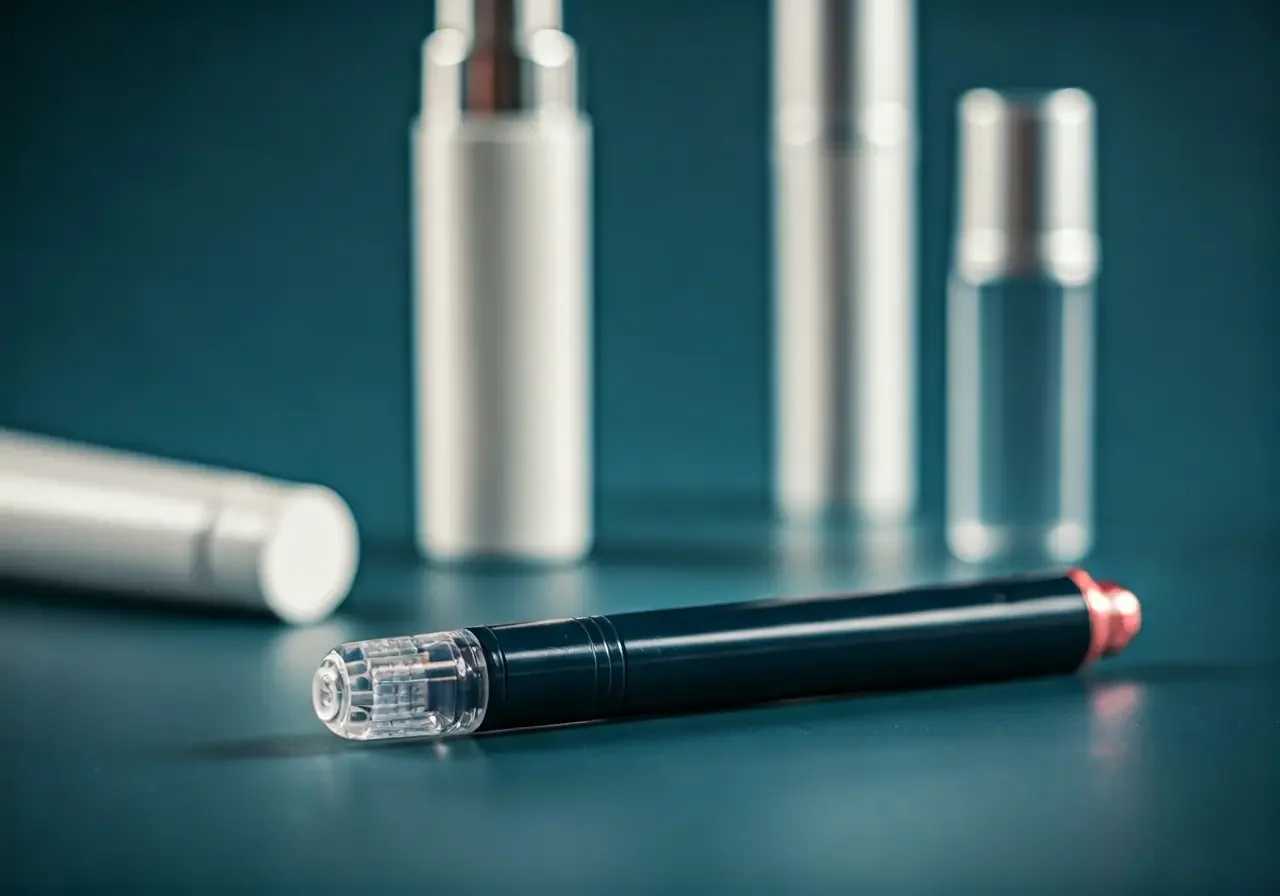
During a microneedling session, a professional will apply a numbing cream to reduce discomfort. The procedure itself involves rolling a pen-like device with tiny needles across the skin, which typically takes about 30 minutes. Post-treatment, your skin may appear slightly red and feel sensitive, similar to a sunburn, but this usually subsides within a few days.
Many first-timers are curious about the sensations associated with microneedling. Thanks to the numbing cream, the procedure is generally well-tolerated. Completing a session feels like tiny pinpricks, covering the area thoroughly for optimum results.
It's essential to follow pre-treatment and post-treatment guidelines provided by your skincare specialist. These often include avoiding certain skincare products and ensuring the skin is adequately moisturized beforehand to facilitate smooth operation and healing.
Aftercare and Results: What to Know
After microneedling, it's crucial to follow specific aftercare instructions to ensure optimal results. This includes avoiding sun exposure, applying soothing creams as recommended, and staying hydrated. While some improvements can be seen after one session, multiple treatments may be necessary for more significant results.
Visible results vary among individuals, influenced by skin type and the severity of the scars. For some, initial improvements in texture and tone may encourage them to commit to a recommended series of sessions for more pronounced effects.
Protecting your skin post-procedure is pivotal. Usage of SPF and gentle skin products supports the healing process, preventing complications and maximizing the benefits of each session. Hydration plays an underrated role in speedy recovery, ensuring your skin remains supple and rejuvenated.
Are There Any Risks Involved?
Microneedling is generally safe when performed by a trained professional. However, there are potential side effects such as redness, swelling, and slight irritation. Infection or scarring is rare but possible, particularly if post-care instructions are not followed diligently.
While rare, some individuals may experience temporary hyperpigmentation if the skin is not properly cared for after treatment. Ensuring a sterile environment and adhering to expert guidance minimizes these risks, paving the way for a safe and fulfilling experience.
For peace of mind, consulting with a dermatologist before beginning sessions could provide personalized insights and precautionary advice. Their expertise clarifies whether microneedling aligns with your skin goals and health.
Is Microneedling Your Solution to Acne Scars?
While microneedling can be an effective way to reduce the appearance of acne scars, it's important to have realistic expectations and consult with a dermatologist to ensure it's the right option for you. With the right approach and aftercare, microneedling can make a significant difference in the texture and appearance of your skin. Visit our homepage for a consultation and learn how we can help you achieve smoother skin.