
11 Steps to Maximize Hair Growth with Microneedling
Are you looking for ways to boost your hair growth considerably? Microneedling might just be the game-changer you need. This innovative technique, combined with proper care, can lead to thicker and healthier hair. In this guide, we're walking you through fifteen practical steps to harness the power of microneedling for maximum hair growth.
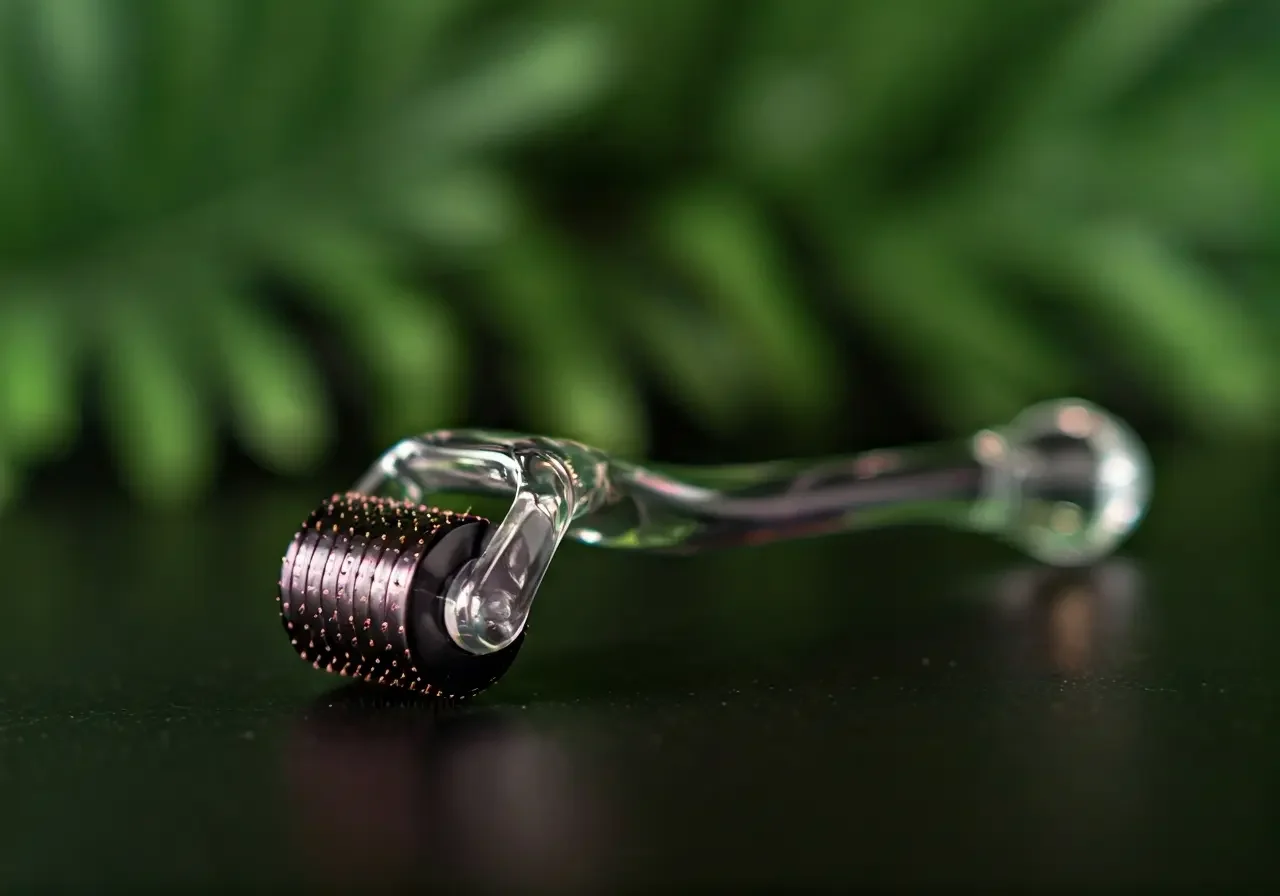
1. Understanding the Basics of Microneedling
Microneedling involves the use of tiny needles to stimulate hair follicles on the scalp. By creating micro-injuries, it encourages the body to produce more collagen and keratin, essential for hair strength and growth. This technique not only enhances nutrient absorption but also improves blood circulation in the scalp. As microneedling for hair growth becomes more popular, it's crucial to understand how this method can be integrated into your hair care routine.
For those new to microneedling, it's fascinating to note that such a simple process can generate significant results over time. With regular application, individuals often notice a marked improvement in hair density and quality. It's critical to approach microneedling with patience, as results tend to appear gradually. This slow, steady progress is a product of the body’s natural healing process, which strengthens follicles over a span of weeks to months.
2. Selecting the Right Microneedling Tool
Choosing a microneedling tool with the appropriate needle length is crucial. A derma roller with needles between 0.5mm to 1.5mm is typically recommended for stimulating hair growth. The needle length is key to reaching the correct depth in the skin for optimal hair follicle stimulation without causing unnecessary damage. Moreover, the type of tool—a derma roller or a derma pen—should be selected based on usability and comfort.
Before making a purchase, research the quality and durability of different tools. Opt for those that come with positive reviews and transparent manufacturing descriptions. The materials used in the needles, like surgical-grade stainless steel or titanium, can also influence the effectiveness and safety of the tool. Investing in a quality tool ensures a safer, more effective microneedling experience, helping you achieve your hair growth goals.
3. Preparing Your Scalp Properly
Before you begin, ensure your scalp is clean and free from oil or product buildup. This ensures that the microneedling process is both safe and effective. Wash your hair thoroughly with a gentle, sulfate-free shampoo to remove any dirt or residues that might harbor bacteria. It's equally important to dry your hair completely to prevent any slipping of the microneedling device during use.
Another tip is to perform microneedling in the evenings. This allows your scalp to recover overnight, maximizing the procedure’s effectiveness. Being in a relaxed setting can also help minimize discomfort and improve the overall experience. As with any treatment, your comfort and safety are paramount, so make sure the surrounding environment is hygienic and well-lit.
4. Starting with Gentle Pressure
When first introducing your scalp to microneedling, start with light pressure. This will help your skin adapt to the sensation and reduce the risk of irritation. It's normal to experience some redness or tingling afterward, but it should subside after a few hours. Begin by rolling the device gently over each section of your scalp a few times, and gradually increase the pressure as your scalp becomes accustomed to the procedure.
Pay close attention to the areas of the scalp that need the most attention, but take care not to overwork any one area in a single session. This can lead to unnecessary inflammation or discomfort. Remember, the goal is to stimulate the scalp, not to inflict pain. As with any new treatment, moderation and patience are your best allies.
5. Establishing a Routine
Consistency is key in any skincare or haircare routine. Aim to microneedle your scalp once a week to start seeing results over time. As you establish a routine, note the specific days and times that work best for you to maintain regularity. It's beneficial to track your progress with photos or a journal, documenting any changes in hair texture or growth rate.
As you become comfortable with a routine, consider pairing your sessions with other hair growth strategies such as massages or nourishing masks. These additional treatments can maximize the benefits of microneedling. However, avoid overwhelming your scalp with too many treatments at once to prevent unnecessary stress.
6. Incorporating Growth Serums
After microneedling, applying a hair growth serum can further boost results. The microchannels created allow for better serum absorption, enhancing its effectiveness. Choose serums rich in active ingredients like biotin, peptides, or vitamins known to promote hair strength and density. Always opt for high-quality, reputable products to ensure your scalp receives the best care.
Serums can be a wonderful addition to your post-microneedling regimen. Apply them evenly across the scalp, ensuring your fingertips gently massage the product into the skin. This additional step helps to increase blood flow and promote even better absorption. Remember to perform a patch test before trying new products to avoid potential allergic reactions or irritations.
7. Focusing on Diet and Nutrition
A diet rich in vitamins and minerals is essential for hair health. Make sure to include plenty of proteins, omega-3 fatty acids, and vitamins E and C as part of your diet. These nutrients support hair strength, elasticity, and overall growth. Consider foods like salmon, nuts, leafy greens, and citrus fruits, which are rich in these vital components.
Incorporate supplements into your daily routine if needed, but consult with a healthcare provider first. They can offer insights into potential deficiencies and recommend doses specifically tailored to your body’s needs. Balanced nutrition not only supports hair growth but also enhances overall well-being, creating a holistic approach to enhancing hair health.
8. Staying Hydrated
Drinking plenty of water is crucial for overall health and well-being, including maintaining healthy hair. Adequate hydration facilitates nutrient transport and scalp health. Ensure you’re consuming at least eight glasses of water daily to keep your body well-hydrated. This helps in delivering essential oxygen and nutrients to your hair follicles.
Proper hydration also contributes to a healthy scalp environment, which is necessary for hair growth. When your scalp is optimally hydrated, the microneedling process becomes even more effective, helping you achieve stronger, more resilient hair.
9. Avoiding Harsh Hair Treatments
Chemical treatments can sap moisture and weaken hair. Opt for gentle, sulfate-free products to maintain scalp and hair vitality. Look for shampoos and conditioners labeled as nourishing or hydrating, which often contain fewer harsh chemicals. These products help in maintaining the health of both your hair and scalp by preventing dryness and irritation.
In addition to choosing the right hair products, limit the use of heat styling tools like blow dryers, flat irons, and curling wands. Excessive heat can weaken the hair cuticle, making it more prone to breakage and split ends. Whenever possible, let your hair air dry and embrace its natural texture.
10. Protecting Your Scalp from Sun Damage
UV rays can damage your scalp and hair. Consider wearing hats or using hair products with UV protection when spending time outdoors. These protective measures can prevent sunburn and preserve the moisture balance of your hair. Sunscreens specifically formulated for the scalp are also available and can be an effective safeguard against sun damage.
Remember that sun exposure can exacerbate hair dryness, so it's essential to take preemptive steps to protect your hair. When incorporating these strategies, you not only shield your scalp from damage but also contribute to overall hair health, thereby maximizing the results of your microneedling efforts.
11. Being Patient and Consistent
Hair growth is a gradual process. It’s important to stay committed to your routine while being patient with the results. Microneedling, combined with a balanced regimen, can show visible improvements in hair density and quality, but typically takes several months. It's crucial to manage expectations and celebrate small victories along the way, like seeing fewer split ends or noticing stronger hair.
Stay motivated by setting realistic goals and monitoring your progress over time. Sharing your journey with a community or through social media can provide additional encouragement and support. After all, good things take time, and nurturing robust, healthy hair is no exception.